
ATEX Inspection (Ex) to IEC 60079-17
Independent ATEX inspection (Ex / hazardous area inspection) to IEC 60079-17 — visual, close and detailed grades, photo-documented, with a prioritised report. For plants where flammable gas, vapour or dust may be present and the explosion protection has to be verified, not assumed.

What is an ATEX / Ex inspection?
An ATEX inspection (also called an Ex or hazardous area inspection) checks that electrical (and related) equipment installed in explosive atmospheres is still selected, installed and maintained correctly — so it cannot become an ignition source. It is a periodic, standard-based activity under IEC 60079-17, and the backbone of a defensible Ex maintenance regime.
The three inspection grades
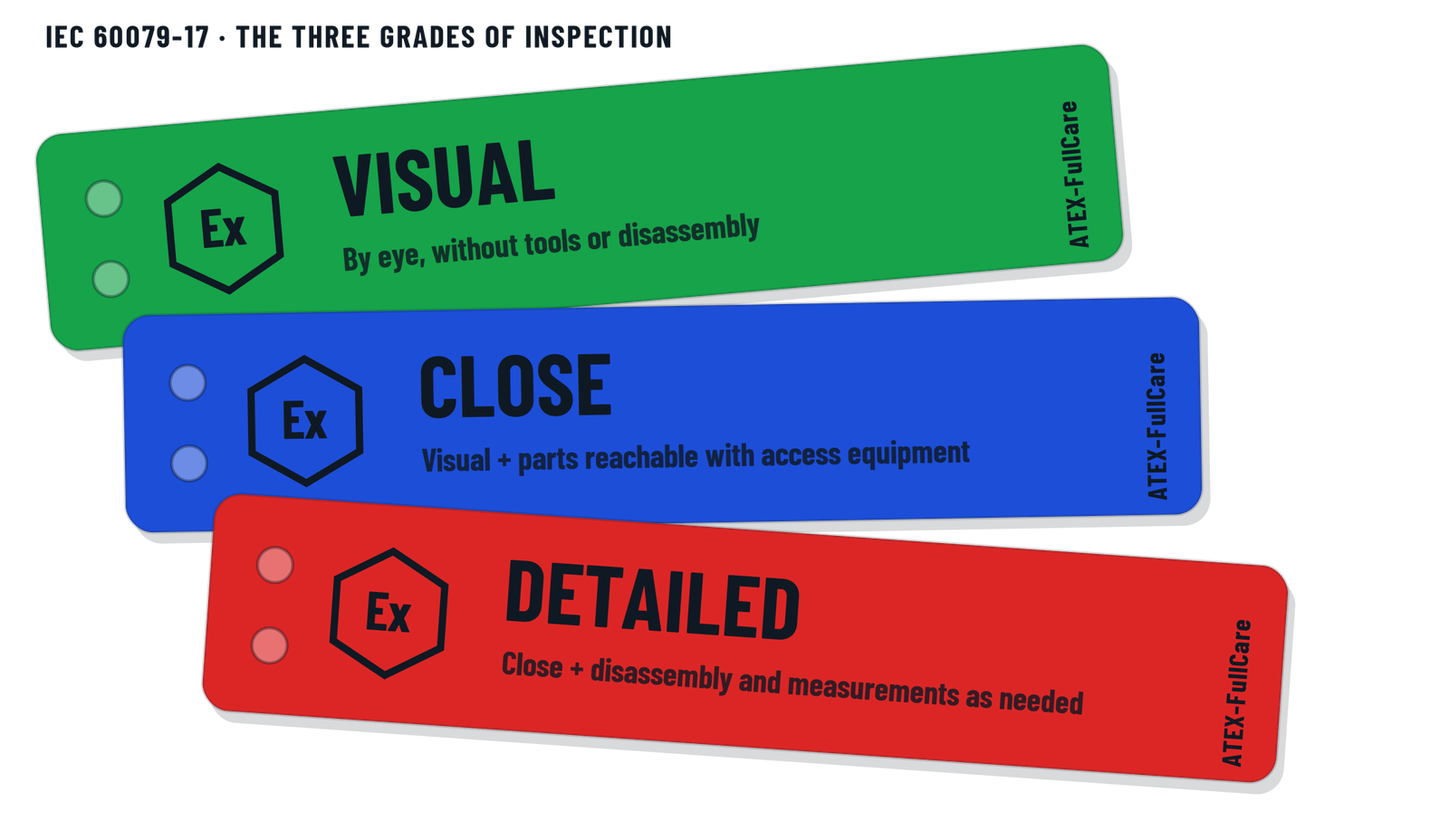
IEC 60079-17 defines visual, close and detailed inspection. The right mix depends on the equipment, its type of protection and the risk — a page of switchgear and a single Ex d motor are not inspected the same way.
Visual grade
Identifies, without tools or access, the defects apparent to the eye — missing bolts or fasteners, obvious damage, corrosion, missing or loose parts, and unauthorised modifications.
Close grade
Everything a visual inspection covers, plus defects only apparent with access and tools — loose terminations, gasket and seal condition, correct cable glanding and the state of the Ex protection.
Detailed grade
Everything a close inspection covers, plus defects revealed by opening equipment and, where relevant, measurement — Ex d flame-path gaps, IP integrity, Ex i loop values and certificate/marking consistency with the zone.
More detail on the standard and inspection intervals: IEC 60079-17 periodic inspection.
What gets inspected
Enclosures & protection
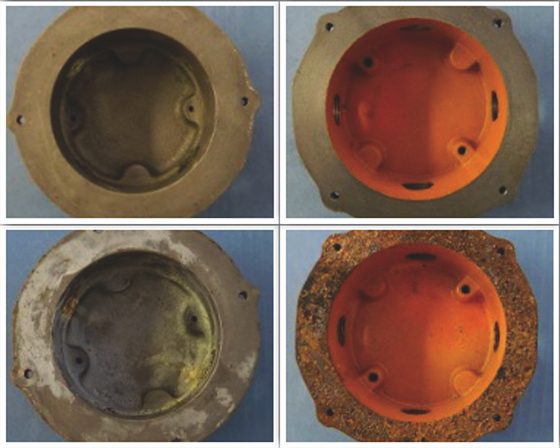
Ex d flame paths, Ex e terminations, Ex i loops, IP integrity, gaskets, fasteners and corrosion.
Cabling & entries
Glands, entries, stopping plugs, segregation, mechanical protection and earthing/bonding.
Marking & documentation
Equipment marking, certificate consistency with the zone, and the maintenance records behind them.
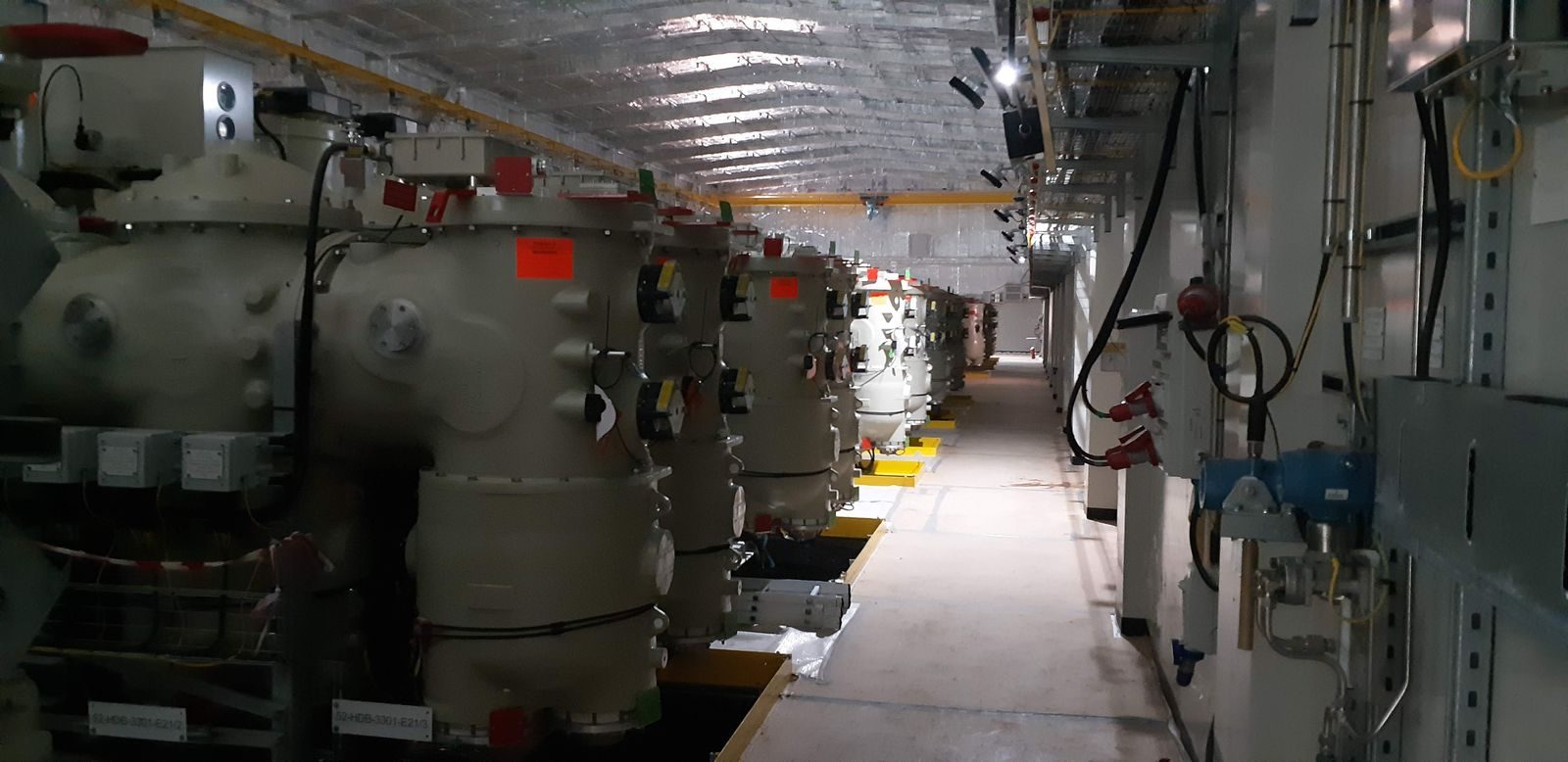
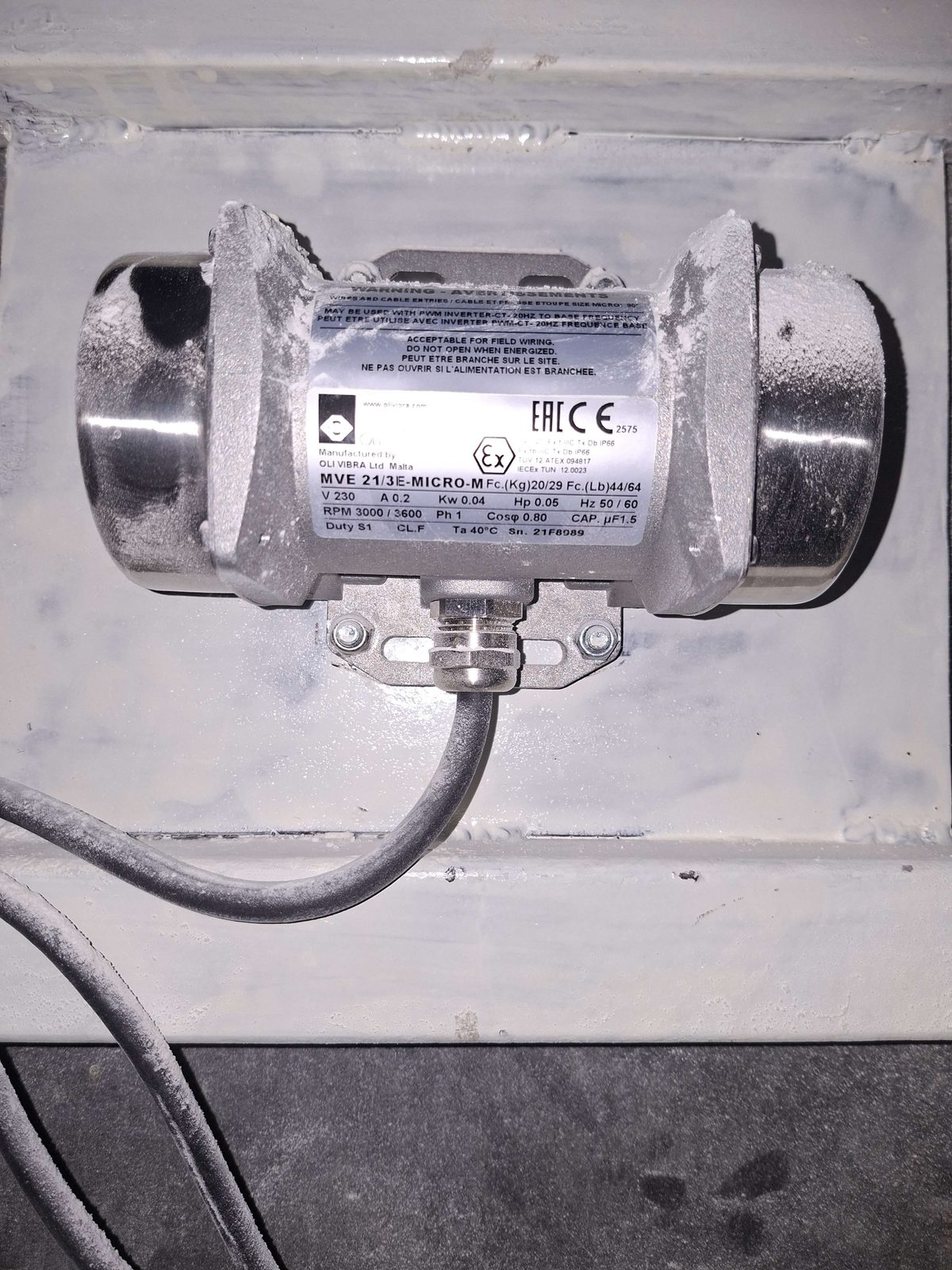
From findings to a compliant fix
Industries served
Sector pages: oil & gas, chemical & solvents, printing, pharmaceutical, wood & paper, biogas & wastewater and food.
What you get
Prioritised report
- Photo-documented findings per item
- Severity and recommended action
- Repair items scoped and coordinated (IEC 60079-19)
Beyond the report
- Input to your inspection strategy and intervals
- Support for audit, insurer and duty-holder questions
- Management-level summary
Request an ATEX inspection quote
Describe the plant, the technology, the zones and the approximate equipment population. I will advise whether a focused or broader inspection fits, and provide a quote.
Independent CompEx certified inspection and explosion protection support. Final scope and fee are agreed individually. Email: info@atexfullcare.com.
Frequently asked questions
How often is a hazardous area inspection required?
IEC 60079-17 works on periodic inspection with intervals set by risk and condition, plus initial and sample inspections. The interval is part of the inspection strategy — see IEC 60079-17.
What is the difference between ATEX and Ex inspection?
ATEX is the EU legal framework; the inspection itself follows the IEC/EN 60079 series. Internationally the work is usually called Ex or hazardous area inspection. See IECEx vs ATEX.
Do you provide a written report?
Yes — a photo-documented, prioritised report with clear actions and any items that need authorised Ex repair under IEC 60079-19.
What equipment is included in an ATEX inspection?
All electrical and relevant Ex equipment in the classified area: motors, luminaires, junction boxes, switchgear, instrumentation, electric heat tracing, glands and cabling — each checked against the zone, the equipment marking and its type of protection.
Is ATEX inspection a legal requirement?
In the EU, employers must keep work equipment in explosive atmospheres safe (ATEX 153 / national law), and IEC/EN 60079-17 is the recognised way to verify it. The inspection record is what an auditor or insurer asks to see.
What is the difference between initial and periodic inspection?
An initial detailed inspection is done before first use to confirm the installation is correct; periodic inspections then keep it verified over time, at intervals set by risk and condition.