
IEC 60079-17 Periodic Inspection Explained
A plain-English guide to IEC 60079-17 inspection: the visual, close and detailed grades, the difference between initial, periodic and sample inspection, and how inspection intervals are set.
What IEC 60079-17 is for
IEC/EN 60079-17 is the standard for the inspection and maintenance of electrical installations in explosive gas and dust atmospheres. It defines how installations are inspected so that equipment keeps its type of protection over its whole life — the practical backbone of a defensible Ex regime. It works alongside 60079-14 (installation) and 60079-19 (repair).
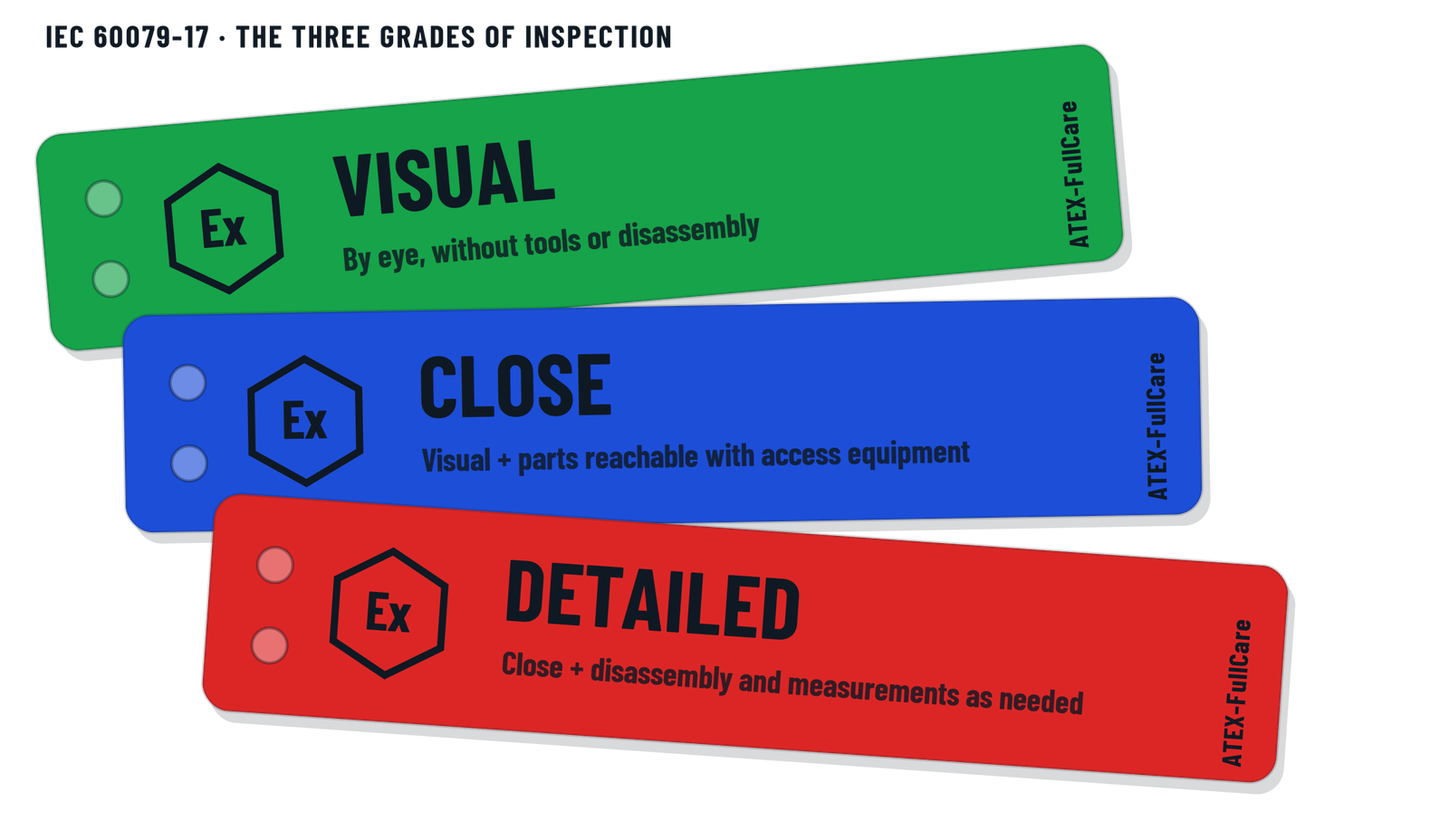
Visual, close and detailed inspection
Visual
Identifies, without tools or access, defects that are apparent to the eye — missing bolts, obvious damage, gross issues.
Close
As visual, plus defects that need access or tools to see — e.g. loose fasteners, condition of entries — but usually without opening enclosures.
Detailed
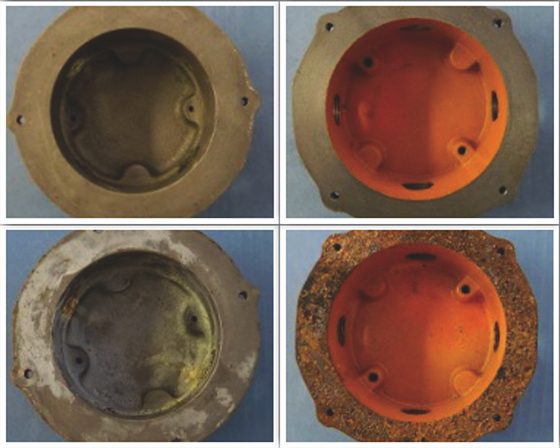
As close, plus defects only apparent by opening enclosures and/or using tools and tests — the deepest grade.
Initial, periodic and sample inspection
Initial
Before first use, to confirm the installation is correct.
Periodic
Repeated at intervals to confirm the installation is maintained in a satisfactory condition.
Sample
A proportion of equipment inspected to detect deterioration or changing conditions between full inspections.
How inspection intervals are set
There is no single fixed number. The interval (not exceeding three years without review) is set from the equipment, its environment, the likelihood of deterioration and the results of previous inspections. Harsh offshore conditions and older installations justify shorter intervals or more sampling. Setting this sensibly is part of a good Ex inspection strategy.
Put IEC 60079-17 into practice
Whether you need a first inspection, a periodic round or help setting intervals, tell me the site and equipment and I will propose a scope and quote.
Independent CompEx certified inspection and explosion protection support. Final scope and fee are agreed individually. Email: info@atexfullcare.com.
Frequently asked questions
How often must periodic inspection happen?
By risk and condition, with the interval reviewed regularly and generally not exceeding three years. Harsh environments justify shorter intervals or more sampling.
Is 60079-17 the same as ATEX?
No — ATEX is the EU legal framework; 60079-17 is the technical inspection standard applied under it. See IECEx vs ATEX.
What about repairs found during inspection?
I help you close them out. Repairs follow IEC 60079-19 with the manufacturer’s approved methods and parts so certification stays valid; a like-for-like replacement of a certified component I can carry out directly (restoring integrity), and jobs that need the OEM or an authorised repair facility I flag and help coordinate.