
Cold-Climate Ex & Winterization
Ex compliance, heat tracing and HVAC for arctic and sub-zero industrial sites — the same explosion-protection expertise, tuned for extreme cold. I have served as a dedicated Winterisation Specialist on a −40 °C Caspian-region onshore megaproject, leading the winterisation team, plus offshore oil & gas in the North Sea. CompEx certified, independent.
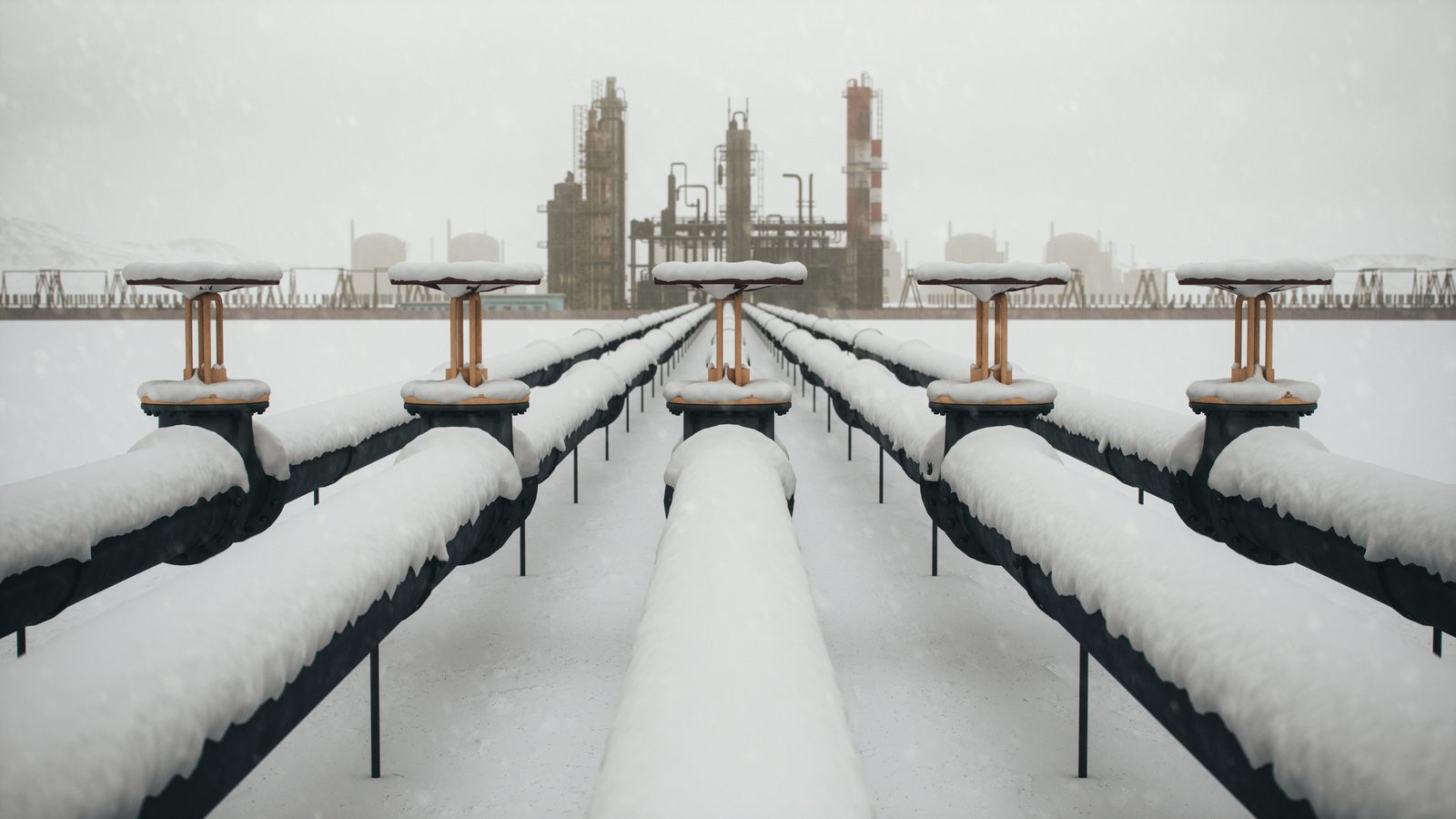
Winterization in a hazardous area is a different problem
In the cold, keeping a plant running safely and keeping it explosion-safe pull in different directions — and the winterization measures themselves can create the ignition risk. That intersection of Ex classification/inspection, heat tracing and industrial HVAC is exactly where I work.
Heat tracing as an ignition source
Electric trace heating in an Ex zone must be selected and verified to its T-class and maximum surface temperature — to IEC 60079-30 and IEC 60079-14. A correct pipe temperature is not enough if the equipment is not Ex-compliant.
HVAC & ventilation in the cold
Room overpressure, air change and pressurisation behave differently at sub-zero temperatures; ventilation that defines a zone must still perform when it is −30 °C outside.
Icing on the safety-critical parts
Ice on instruments, valves, actuators and enclosure breathers can disable exactly the devices that keep the area safe — and it is routinely missed on the instrumentation side.
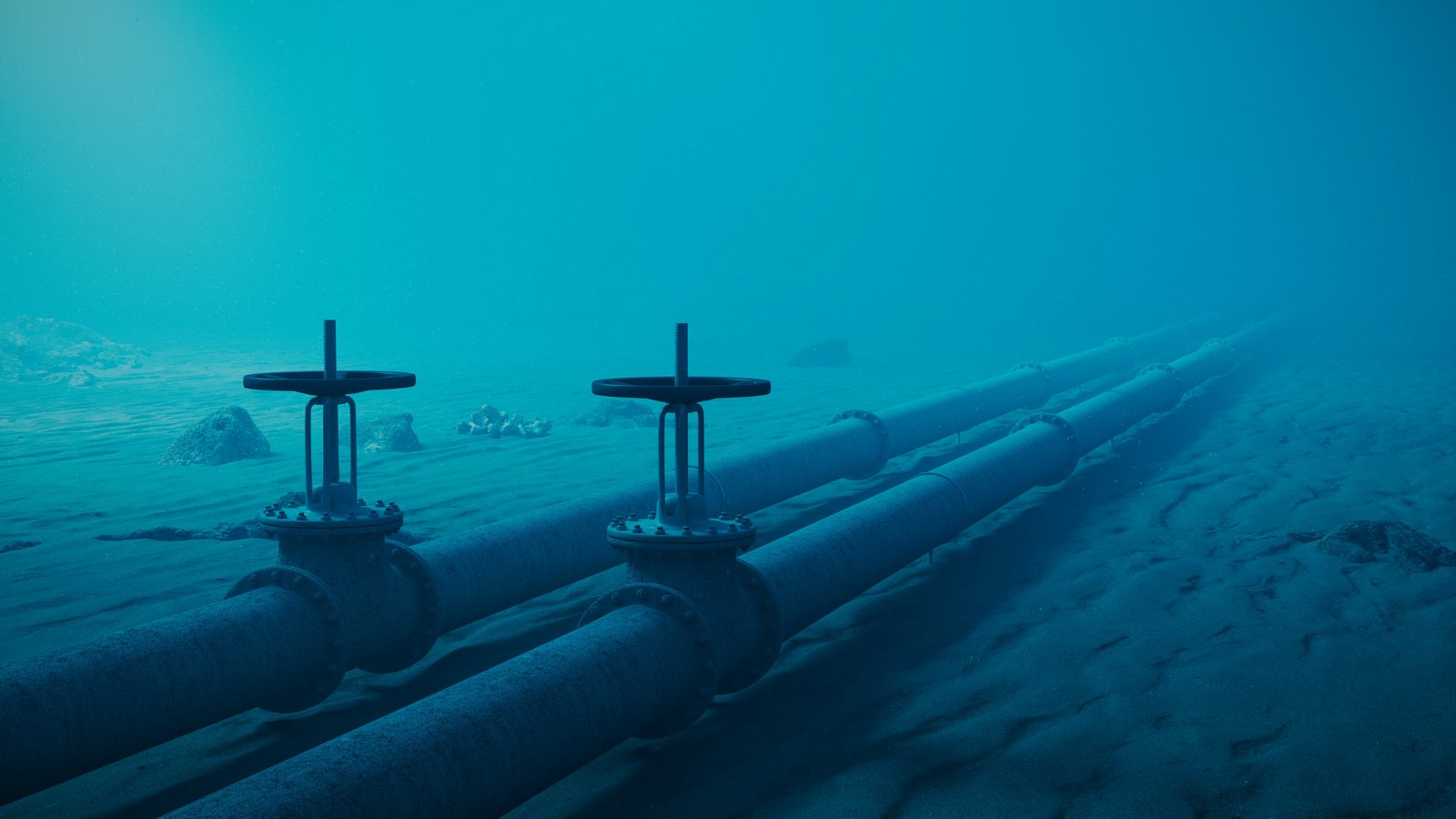
Framework: IEC 60079-14 / -17 (Ex installation & inspection), IEC 60079-30 (Ex trace heating), NORSOK and ISO 19906 cold-climate design requirements.
Winterization and process heating — both must be Ex-compliant
Electric heat tracing (EHT) does two different jobs on a cold-climate plant, and each has to be selected, installed and inspected to the Ex standards — not just to a target pipe temperature.
Winterization / freeze protection
Keeping utilities, process lines, instruments and drains above freezing through severe winter conditions — so nothing safety-critical stops working when it is −40 °C outside.
Process heat maintenance
Holding a process fluid at its required temperature all year — wax and pour-point control, sulphur handling, viscosity — where losing heat is a production and integrity problem, not only a cold-weather one.
Where cold-climate projects go wrong
Heat tracing without Ex compliance
The trace heating keeps the line warm — but is not verified against the zone, T-class and surface temperature.
Only the piping is winterized
Instruments, transmitters, analysers and valves are left out — the parts that actually fail first in the cold.
HVAC sized for summer
Ventilation and pressurisation that hold the zone in mild weather no longer perform at design-low temperatures.
Icing ignored on emergency ventilation
Frozen dampers or intakes can defeat the very ventilation the hazardous area classification relies on.
No documentation after commissioning
The system works on handover day, but there is no Ex/winterization record to inspect against later.
What I cover — in one place
Winterization audit
A structured cold-climate review of the site: heat tracing, HVAC, instrumentation, valves and the Ex implications.
Ex compliance review
Heat tracing & HVAC checked against IEC 60079-14/-17 and IEC 60079-30 — a prioritised findings report.
Design review / spec support
Input to the winterization and Ex specification early, within NORSOK / ISO 19906, before it is built.
Commissioning & site supervision
On-site during commissioning in the cold — verifying it actually performs, documented as built.
Periodic Ex inspection
Inspection to IEC 60079-17 in cold-climate conditions, including the trace-heating and HVAC scope.

Bringing a plant through the cold safely?
Tell me about the site, the design temperatures and the Ex zones — offshore or onshore. I’ll come back within 1–2 business days on how a winterization and Ex-compliance review would fit.
Independent CompEx certified inspection and explosion protection support. Final scope and fee are agreed individually. Email: info@atexfullcare.com.