
What Is a Hazardous Area?
What is a hazardous area? It is any place where a flammable gas, vapour, mist or combustible dust can form an explosive atmosphere with air — so that the electrical equipment there must not become an ignition source. Here is the plain-English picture, and the zones that follow from it.
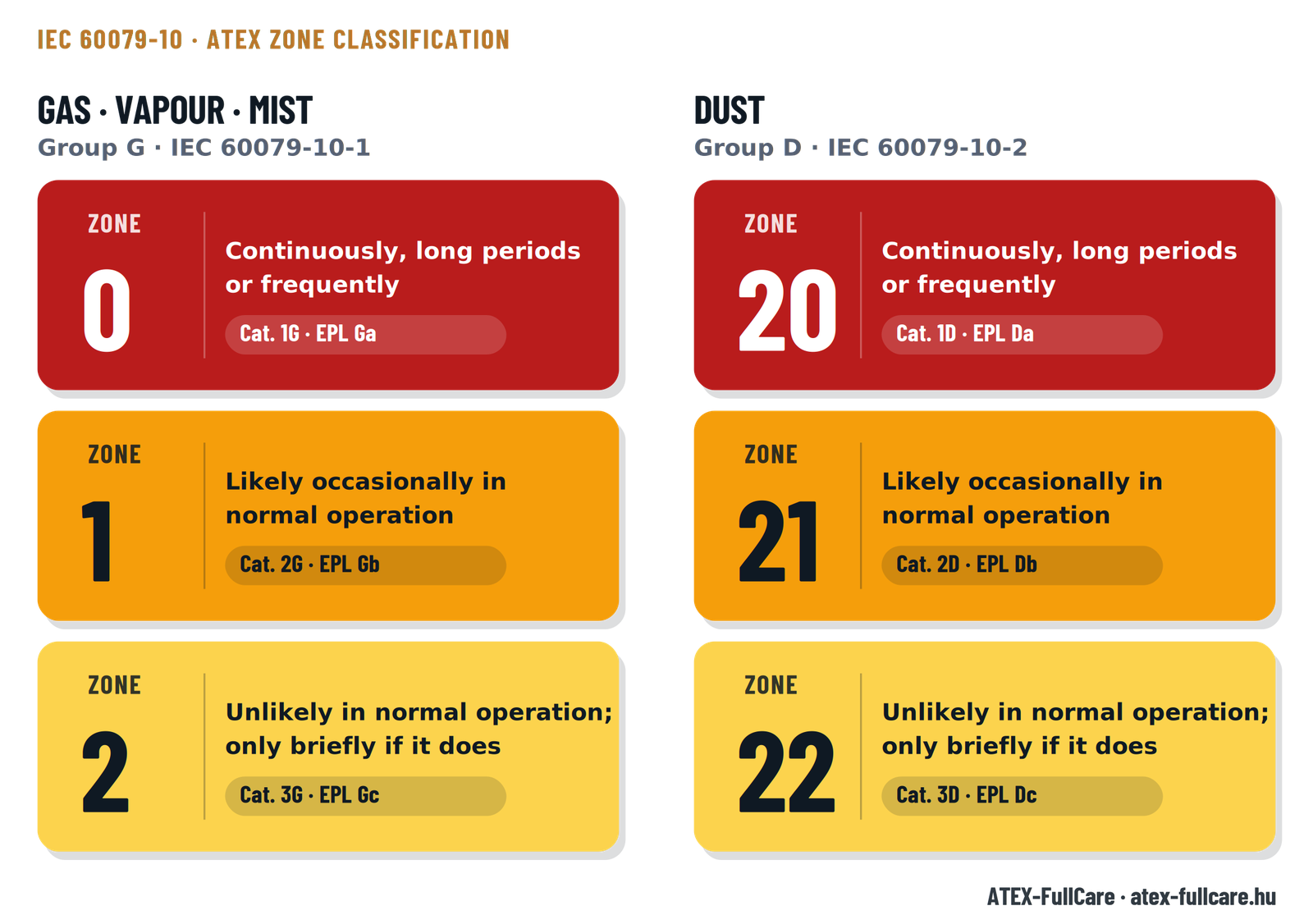
Explosive atmospheres, simply
An explosion needs three things together: a flammable substance, oxygen (air) and an ignition source. In many plants you cannot remove the fuel or the air — solvents, gases and dusts are part of the process. So hazardous area protection focuses on the third leg: making sure equipment cannot ignite the atmosphere. A hazardous area is simply a place where that flammable atmosphere can realistically occur.
Gas and dust zones
Gas & vapour (0 / 1 / 2)
Graded by how likely and how long an explosive gas atmosphere is present: continuous (0), likely in normal operation (1), or unlikely and short (2).
Combustible dust (20 / 21 / 22)
The same idea for dust clouds: continuous (20), likely (21), or unlikely and short (22).
Deciding these zones for a real plant is hazardous area classification.
Why it drives everything else
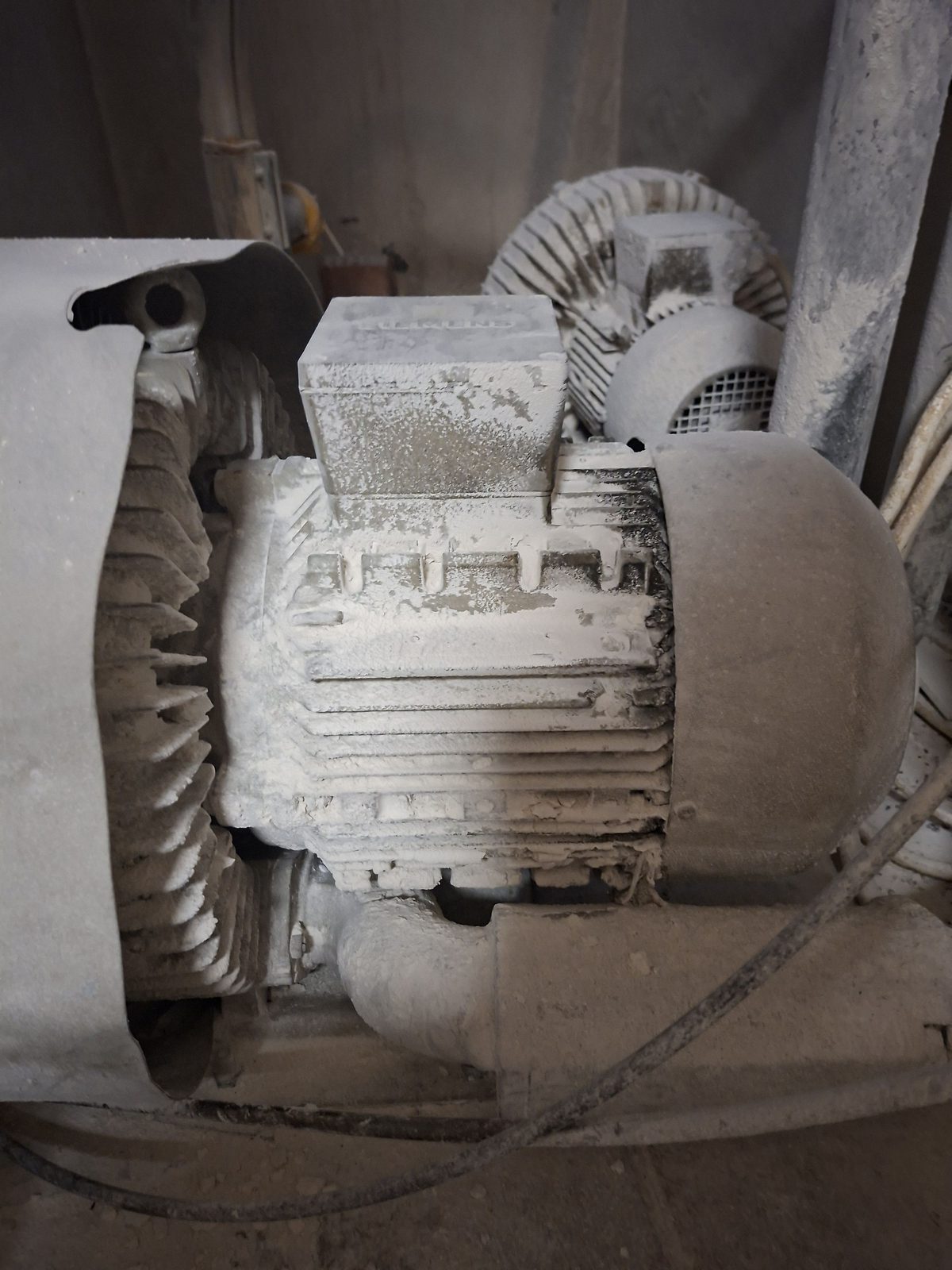
The zone decides what equipment is acceptable, how it must be marked and protected, and how it is inspected. Get the zone right and the rest follows; get it wrong and either safety or budget suffers. Everyday risks are concrete — a dusty motor or a poorly maintained enclosure can be the ignition source.
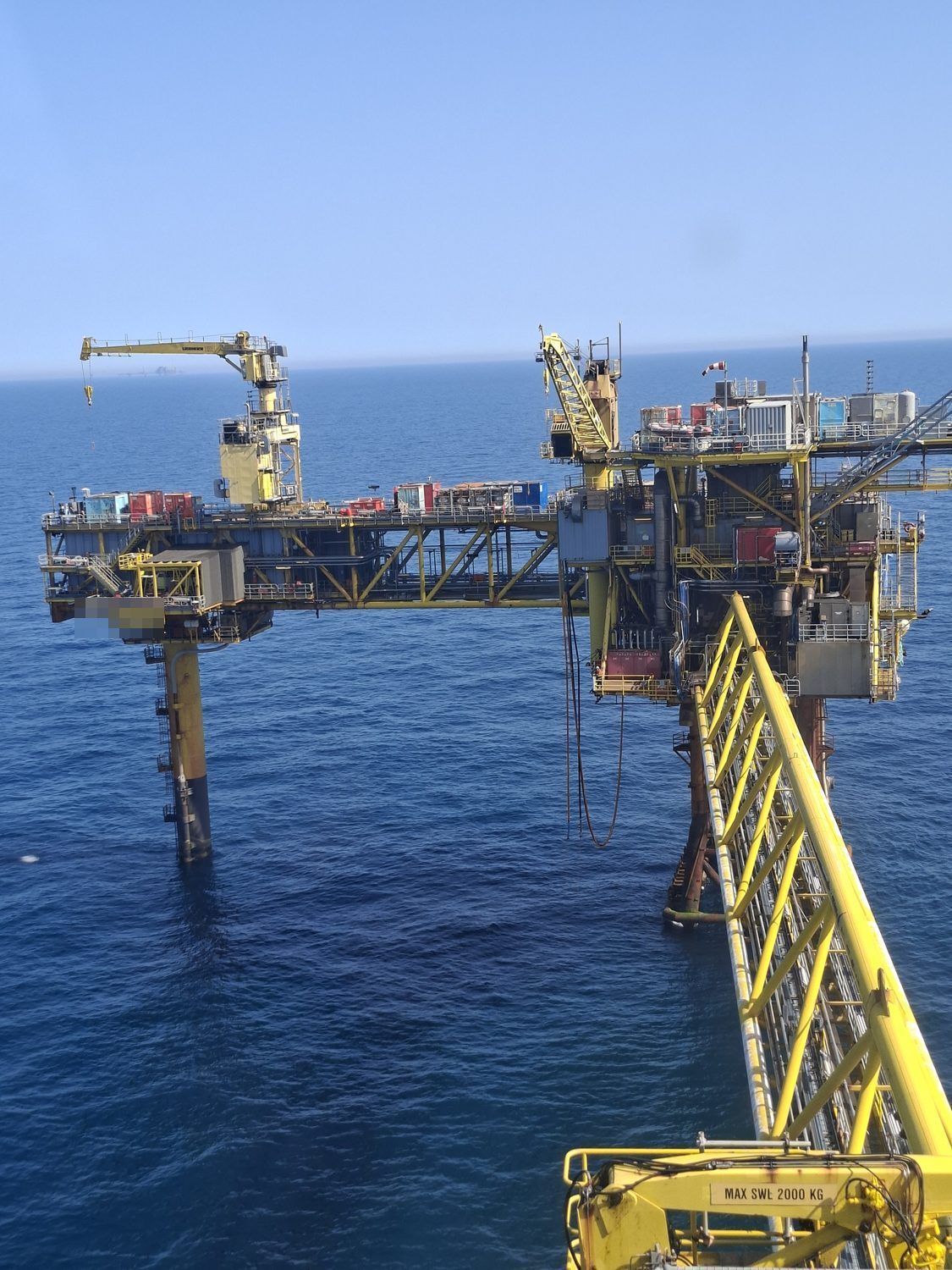
Not sure if you have a hazardous area?
Describe the materials and process. I will help you understand whether — and where — you have hazardous areas, and what to do next.
Independent CompEx certified inspection and explosion protection support. Final scope and fee are agreed individually. Email: info@atexfullcare.com.
Frequently asked questions
Is a hazardous area the same as an ATEX zone?
An ATEX/Ex zone is how a hazardous area is graded. The area is the place; the zone is the grade of likelihood and duration.
Do dusts really count?
Yes — combustible dusts (flour, sugar, wood, many powders) form their own zones (20/21/22) and cause serious explosions.
How do I find my zones?
Through hazardous area classification, based on your substances, sources of release and ventilation.