
Reading Ex / ATEX Markings
A practical guide to reading Ex markings — the string on the nameplate that tells you where a piece of equipment may be used. Equipment group and category, protection type, gas group, temperature class and EPL, step by step.
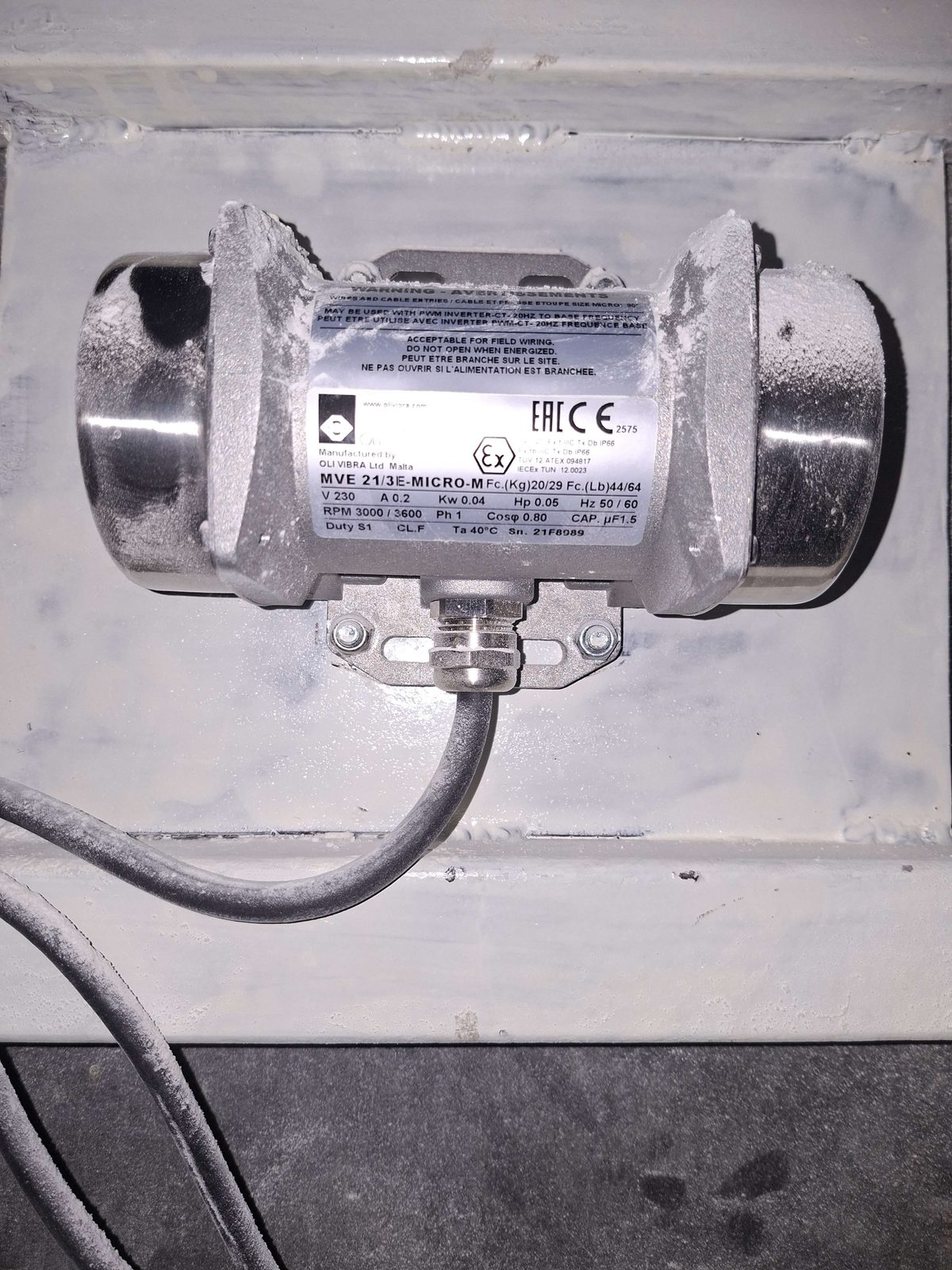
Why the marking matters
The Ex marking is the equipment's passport. It tells you the atmosphere and zone it is certified for, how it is protected, and its surface-temperature limit. Confirming that the marking matches the zone is a core check in every Ex inspection — a mismatch is a real, common finding.
How to read the string
Equipment group
I = mining; II = surface gas; III = surface dust. Most industrial equipment is Group II or III.
Category (ATEX)
1, 2 or 3 (G for gas, D for dust) — the higher the protection, the lower the zone it can serve (Cat 1 → Zone 0/20).
Protection type
Ex "d" flameproof, "e" increased safety, "i" intrinsic safety, "p" pressurised, "n" for Zone 2, and more.
Gas group
IIA, IIB or IIC (and IIIA/B/C for dust) — the more easily ignited the gas, the higher the requirement (hydrogen = IIC).
Temperature class
T1–T6: the maximum surface temperature (T6 = 85 °C is the strictest), which must stay below the ignition temperature.
EPL
Equipment Protection Level (Ga/Gb/Gc, Da/Db/Dc) — a risk-based way of matching equipment to the zone.
Putting it together
II 2G Ex db IIC T4 Gb: Group II surface equipment, ATEX
Category 2 for gas (Zone 1), flameproof "db" protection, gas group IIC (suitable up to hydrogen), temperature class T4
(≤135 °C), Equipment Protection Level Gb. In short: usable in a Zone 1 gas area with an IIC gas and a T4 limit.Still unsure how ATEX and IECEx markings relate? See IECEx vs ATEX.
Send me a nameplate photo
If you are unsure whether a piece of equipment suits its zone, send a photo of the marking and I will help you read it.
Independent CompEx certified inspection and explosion protection support. Final scope and fee are agreed individually. Email: info@atexfullcare.com.
Frequently asked questions
What does the "G" or "D" mean?
G marks equipment for gas/vapour atmospheres, D for combustible dust. Some equipment is marked for both.
Is a higher category always better?
It is more protective and suits lower zones, but it is not automatically "better" — the right category matches the zone, no more, no less.
What if the marking does not match the zone?
That is a finding: the equipment may be unsuitable for its location. It is exactly what an Ex inspection checks.